 For more than 30 years now, since the 80s I have been associated with the field of Neo-Thamizh Poetry and I can say with conviction that Poet Brammarajan is a pioneer in this realm, in more than one way. Form-wise and content-wise he has experimented a lot in this area. Anyone who objectively writes the history of the History of Neo-Thamizh Poetry cannot but mention Poet Brammarajan as a name to reckon with in this realm. Though I cannot claim to have understood the full texts and sub-texts of all his poems and the myriad lanes and by-lanes of the inner world through which the Poet's mind and imagination choose to undertake a lone, wholesome voyage, the Style and Content of his poems have given me lot of new openings and poignant moments. Latha Ramakrishnan.
Peguy: "There is even a Poetry which draws its brilliance from the absence of God, which aims at no salvation, which relies on nothing but itself, a human effort, rewarded on this Earth, to fill the void of Space” – Albert Camus’s Entry in his Note-Book IV.
“I took everything as seriously as if I were Immortal” - The Will / Jean Paul Sartre.
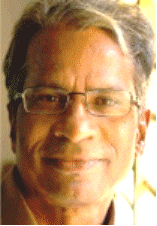
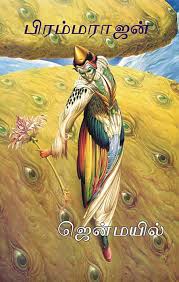
These two ‘quotable quotes’ that we find in Arindha Nirandharam [The Known Eternity], the first poem-collection of Brammarajan, a pioneer in Neo-Thamizh Poetry appeared in 1980, convey, in a sense, the very essence of his Poesy. A retired English Professor, born in 1953[bio-data given in box] he has six poem-collections and also several books on Poetry and its various aspects, to his credit, apart from a sizeable number of translated works. Right from his first collection of poems he has been writing poems in rich, experimental styles, consciously and steadfastly adhering to post-modern forms of contemporary poetry.
Writing mostly ‘open-ended’ poems he has a firm grip over the language concerned and has an unwavering conviction of What, How and Why Poetry should be. A multi-faceted personality he is, his varied interests ranging from Literature to gardening, from Music to Atoms, Travel, Painting, Books, nature Science and Technology, Mythology and a lot more and all these find a significant place in his poems, forming the inter-textual components of his poetry and give it a splendid neo-poetic form and content. Further, one can hear the voice of a rebel too, not in the direct, political sense, but in a more subtle and psychological sense, defying the Order of the Day, so to say, whereby the mediocre becomes the monarch.

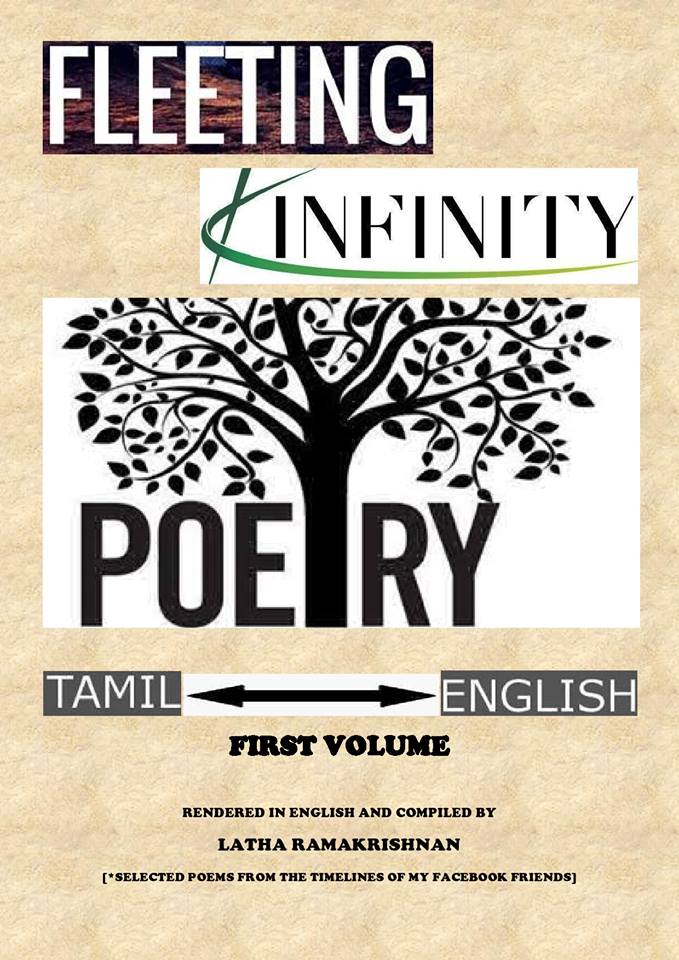 இது ஒரு எளிய முயற்சி. அடுத்தடுத்த தொகுதிகள் வெளியிடும்படியாகத் தொடரவேண்டும் என்று மனதார விரும்பும் ஒரு முயற்சி. இன்னும் சில கவிஞர்களையும் சேர்த்து இப்பொழுது 130 கவிஞர்களின் ஆளுக்கொரு கவிதை என்ற அளவில் ஏறத்தாழ 300 பக்கங்களில் (மூல கவிதைகளையும் உள்ளடக்கி) தயாராகிவிட்டது. மூத்த கவிஞர்கள், இப்பொழுதுதான் எழுத ஆரம்பித்திருக்கும் கவிஞர்கள், பெயர்பெற்ற கவிஞர்கள், அதிகம் தெரியாத கவிஞர்கள், நிறைய தொகுப்புகளை வெளியிட்டிருக்கும் கவிஞர்கள், தொகுப்பே இதுவரை வெளியிட்டிராத கவிஞர்கள் என்றெல்லாம் பாகுபாடில்லாமல் என்னுடைய முகநூல் நட்பினரில் எனக்கு அவர்கள் டைம்-லைனில் வாசிக்கக் கிடைத்து நான் மொழிபெயர்க்க விரும்பி அதைச் செய்வதற்கான நேரமும் கிடைத்ததில் நான் மொழிபெயர்த்த கவிதைகளின் தொகுப்பு மட்டுமே இது. இன்னும் 400 கவிதைகளுக்கு மேல் மொழிபெயர்க்கும் பெருவிருப்போடு எடுத்துவைத்திருக்கிறேன். சீக்கிரம் செய்யவேண்டும். ஏற்கனவே மொழிபெயர்த்துவைத்திருப்பதில் இதேயளவு இன்னொரு தொகுதி யையும் கொண்டுவரவேண்டும்.
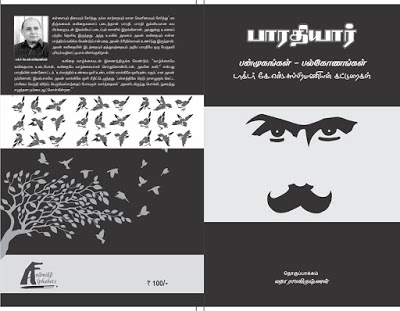 நூல்: பாரதியார் - பன்முகங்கள், பல்கோணங்கள் - டாக்டர் கே.எஸ்.சுப்பிரமணியன் கட்டுரைகள்
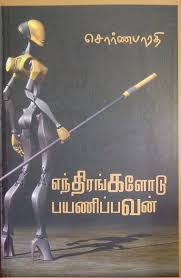
 - ஆரவாரமில்லாமல், எனில், அழுத்தமாகத் தமிழ் இலக்கியவெளியில் தொடர்ச்சியாக இயங்கிவருபவர் கவிஞர் சொர்ணபாரதி (இயற்பெயர்: முகவை முனியாண்டி) கல்வெட்டு பேசுகிறது என்ற சிற்றிதழைப் பல்வேறு நெருக்கடிகளுக்கு இடையில் தொடர்ச்சியாக வெளியிட்டுவருவதன் மூலம் எழுதும் ஆர்வமுள்ள பலருக்குக் களம் அமைத்துத் தருபவர். நுட்பமான கவிஞர். கல்வெட்டு பேசுகிறது இதழ்களில் இடம்பெற்றுள்ள தலையங்கங்கள் இவருடைய சீரிய சமூகப் பிரக்ஞைக்கும், அரசியல் பிரக்ஞைக்கும் சான்று பகர்பவை.
)

 பதிவுகள். காம் மின்னூல் தொகுப்புகள்