ஸ்ரீலங்காவில் பௌத்த போராளிகள் மோசமாக நடந்து கொள்கிறார்கள்!
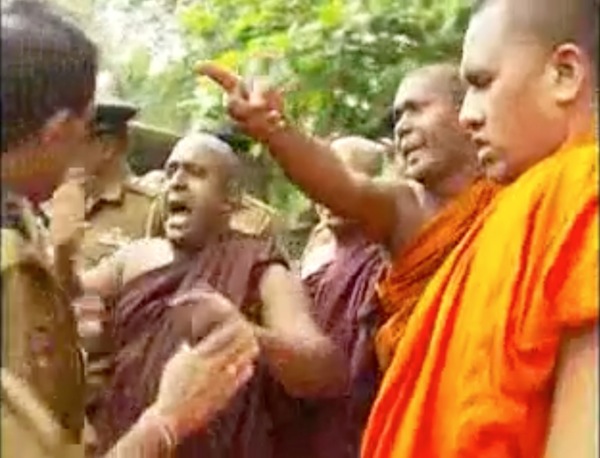 கடந்த செப்ரம்பர் மாதம் சுமார் 100 பௌத்த பிக்குகளின் தலைமையிலான ஒரு கும்பல் புராதன நகரமாகிய அனுராதபுரத்தில் அமைந்துள்ள ஒரு முஸ்லிம் வழிபாட்டுத் தலத்தை இடித்துத் தகர்த்தார்கள். அந்தக்கூட்டம் மஞ்சளும் சிவப்பு நிறத்தையும் கொண்ட பௌத்த கொடிகளை வீசி ஆர்ப்பரித்தார்கள். ஒரு பௌத்த துறவி பச்சை நிறத்திலுள்ள முஸ்லிம்களின் கொடியை தீயிட்டுக் கொழுத்தினார். பௌத்த துறவிகள் அந்த முஸ்லிம் வழிபாட்டுத் தலம், 2,000 வருடங்களுக்கு முன்னர் சிங்களவர்களுக்கு வழங்கப்பட்ட நிலத்தில் அமைந்துள்ளதாக கூறினார்கள், - பண்டைய மத நூல்களில் பொறிக்கப்பட்டுள்ளபடி முழு தேசத்திலும் அவர்களுக்குள்ள சொத்துரிமை சுட்டிக் காட்டப்பட்டுள்ளதாகத் தெரிவித்தனர். பௌத்தர்கள் ஸ்ரீலங்காவில் மோசமாக நடந்துகொண்ட சமீபகால சம்பவம் இந்த அனுராதபுர தாக்குதல் மட்டுமல்ல. ஏப்ரல் மாதம் கிட்டத்தட்ட 2,000 சிங்கள பௌத்தர்கள், பௌத்த துறவிகள் தலைமையில்;, 2 மில்லியன் வருடங்களுக்கு முன்னர் தென்னிந்திய ஆக்கிரமிப்பாளர்களின் படையெடுப்புகளுக்கு அஞ்சி சிங்கள மன்னர்கள் தஞ்சமடைந்ததாக நம்பப்படும் மிகப் பெரிய வலையமைப்பில் குகைகளை கொண்டுள்ள புனித நகரமான தம்புள்ளயில் உள்ள மசூதி ஒன்றிற்கு எதிராக அணிவகுப்பை நடத்தினார்கள். அவர்கள் பெரும்பாலும் ஒரு அடையாளத் தாக்குதலை நடத்தி, இந்த தாக்குதல் ஒரு வரலாற்று நாளை குறிப்பதாக தெரிவித்தார்கள், அந்த தாக்குதலுக்கு தலைமையேற்ற ஒரு துறவி கூட்டத்தினரிடம் கூறியது “சிங்கள இனத்தை நேசிக்கும், சிங்கள இரத்தம் ஓடுகின்ற பௌத்தர்களுக்கு இது ஒரு வெற்றி” என்று.
 - August 1, 2012 - (Bangkok) – Burmese security forces committed killings, rape, and mass arrests against Rohingya Muslims after failing to protect both them and Arakan Buddhists during deadly sectarian violence in western Burma in June 2012. Government restrictions on humanitarian access to the Rohingya community have left many of the over 100,000 people displaced and in dire need of food, shelter, and medical care. The 56-page report, “‘The Government Could Have Stopped This’: Sectarian Violence and Ensuing Abuses in Burma’s Arakan State,” describes how the Burmese authorities failed to take adequate measures to stem rising tensions and the outbreak of sectarian violence in Arakan State. Though the army eventually contained the mob violence in the state capital, Sittwe, both Arakan and Rohingya witnesses told Human Rights Watch that government forces stood by while members from each community attacked the other, razing villages and committing an unknown number of killings. “Burmese security forces failed to protect the Arakan and Rohingya from each other and then unleashed a campaign of violence and mass roundups against the Rohingya,” said Brad Adams, Asia director at Human Rights Watch. “The government claims it is committed to ending ethnic strife and abuse, but recent events in Arakan State demonstrate that state-sponsored persecution and discrimination persist.”
 1987ல் ஏற்படுத்தப்பட்டதும், ராஜீவ் - ஜெயவர்த்தனா ஒப்பந்தம் என அழைக்கப்படுவதுமான இந்திய - ஸ்ரீலங்கா உடன்படிக்கை ஜூலை 29 ந்திகதியுடன் 25வருடங்களை நிறைவு செய்கிறது. ஸ்ரீலங்கா (1987 – 90) மற்றும் 1971ல் பங்களாதேஷை உருவாக்கிய கிழக்குப் பாகிஸ்தான் ஆகிய இந்தியாவின் இரண்டு இராணுவத் தலையீடுகளிலும் ஆர்வத்துடன் பங்கேற்ற ஒரு இராணுவ வீரன் என்கிற வகையில் இந்த இரண்டு முயற்சிகளிலும் இந்தியாவின் அதிகார சக்தியின் வலியுறுத்தலை ஒப்பீடு செய்ய முடியாதவனாக உள்ளேன். இரண்டு அரங்குகளிலும் மற்றும் அந்த நேரத்தில் அந்த இரண்டு நடவடிக்கைகளின் போதுள்ள இந்தியாவின் நிலைப்பாட்டிலும் முற்றான வேறுபாடு இருந்தது. பங்களாதேஷை பொறுத்தமட்டில் நன்கு பயிற்றப்பட்ட இராணுவமான பாகிஸ்தானுடன் நடத்தும் மரபுவழி யுத்தமாக இருந்தது. அதில் இறங்குவதற்கு முன்னர் பலத்த இராணுவ திட்டங்களையும் மற்றும் தயாரிப்புகளையும் இந்தியா மேற்கொண்டிருந்தது. அதற்கு முரண்பாடாக ஸ்ரீலங்காவில் இராணுவம் ஆயத்தமில்லாத நிலையில் இருந்தபடியால் தமிழ் கிளர்ச்சியாளர்களுடன் எதிர்க்கிளர்ச்சித் தாக்குதலில் சிக்கிக்கொள்ள நேர்ந்தது. பங்களாதேஷில் படைகளின் நிலை மிகவும் உயர் மட்டத்தில் இருந்தது. விமானப்படைகளும் மற்றும் கடற்படையினரும் ஒட்டுமொத்த தாக்குதல் திட்டத்திலும் ஒரு பகுதியாகச் செயற்பட்டன. ஸ்ரீலங்காவில் முக்கியமாக அது தமிழீழ விடுதலைப் புலிகளுக்கு எதிரான பரவலாக்கப்பட்ட ஒரு காலாட்படை நடவடிக்கையாக இருந்தது.
 [ July 24, 2012 ] Many things are said about Black July, 1983. That there were many culprits who caused the havoc that virtually destroyed the image of Sri Lanka and which gave justification for a prolonged period of violence. However, there was one man who was the creator of this havoc. It was then-President of the country, Junius Richard Jayawardene. His work of destroying the fabric of Sri Lankan democracy started from the very first day after he won the election as the leader of the United National Party, in 1977. His very first act as the Prime Minister elect was to grant a “holiday to the police”. That holiday lasted for two or three weeks. That was the first act done to intimidate his political opponents. With an ambition to hold onto power and not to give up what he had won, he knew one of his major strategies needed to be to launch a period of violence in order not to allow space for internal challenges from disaffected democratic forces. That process went on through various kinds of initiatives, which are well-recorded. The 1982 referendum was a major assault he made on the electoral politics in Sri Lanka. He was seriously pursuing his ambition to “close the electoral map” of Sri Lanka for some time.
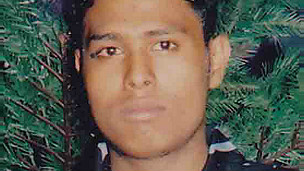 - ஜூலை 24, 2012 - இலங்கை சிறைச்சாலை ஒன்றில் தாக்குதலுக்கு உள்ளாகி, அதனால் மரணடைந்ததாகத் தெரிவிக்கப்படுகின்ற அரசியல் கைதி நிமலரூபனின் உடல் வவுனியாவில் அடக்கம் செய்யப்பட்டுள்ளது. வவுனியாச் சிறைச்சாலையில் சில கண்காணிபாளர்களை கைதிகள் தாக்கினார்கள் என்று எழுந்த குற்றச்சாட்டை அடுத்து பலர் மகர சிறைச்சாலைக்கு மாற்றப்பட்டனர். அங்கு இவர்கள் தாக்குதலுக்கு உள்ளானதாகவும், சிகிச்சைக்காக ராகம வைத்தியசாலைக்கு கொண்டு செல்லப்பட்ட போது, நிமலரூபன் இறந்த நிலையிலேயே கொண்டுவரப்பட்டார் என்றும் மருத்துவர்கள் தெரிவித்தனர். மரணமடைந்த நிமலரூபன் அடிகாயங்ளினாலும், உரிய சிகிச்சையில்லாமலுமே உயிரிழக்க நேரிட்டதாக தமிழ் அரசியல்வாதிகளும், மனித உரிமைச் செயற்பாட்டாளர்களும் குற்றம் சுமத்தியிருந்தனர். அவரின் மரணம் தொடர்பான விசாரணைகள் நடைபெற்ற போதிலும் மரணத்திற்கான காரணம் இன்னும் வெளியிடப்படவில்லை.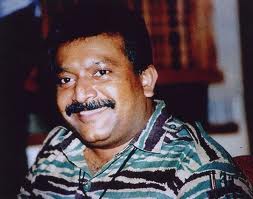
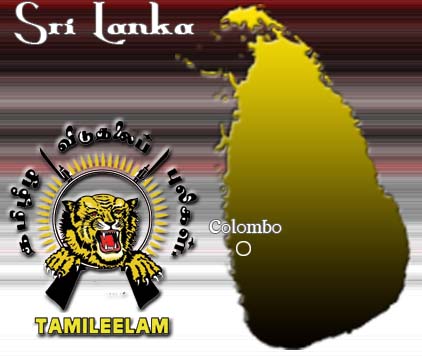 'It is now crystal clear that the Sinhala leaders will never put forward a just resolution to the Tamil national question. Therefore, we are not prepared to place our trust in the impossible and walk along the same old futile path…. We therefore ask the international community and the countries of the world that respect justice to recognize our freedom struggle.” This is the key sections of the annual Heroes’ Day statement delivered by the slain leader of the disabled Liberation Tigers of Tamil Eelam (LTTE), V. Pirapaharan. Serious Sri Lanka watchers would agree that such a statement represents not only the Tamil disappointments and distrust, but also it effectively exposes the duplicity of five decades old southern Sinhalese politics, which categorically refused to do meaningful political business with the Tamil leaders who represent the North and East Tamils. Moderates The Tamil Tigers, who mirrored the Sinhala political establishment in its dealing with dissent and pluralism, unquestionably are the deadly elements of the Sri Lanka society. Whether the Tamil Tigers, for that matter, violent Tamil nationalists are freedom fighters as they claim themselves or deadly terrorists as the Sri Lanka governments describe, history will answer it. My point here is that the birth of Tamil Tiger movement had roots in Sri Lanka’s history and its anti-Tamil agendas. It is important to point that there was not an overnight decision among the ordinary Tamils to approve the agendas of the Tamil Tigers: the failure of Sri Lankan polity to meet the demands of the Tamil moderates was a key foundation for the origin of the Tamil extremism in Sri Lanka. Instead of listening to the Tamil leaders and accommodating their reasonable demands, the Sinhalese ruling leaders of the time assaulted and stoned the Tamils and their leaders, and even hired the Sinhalese to become butchers to kill innocent Tamils and moderate leaders. One needs to realize that successive governments since 1956 controlled by the Sinhalese miserably failed to engage the Tamil moderates such as the Federal Party (FP).

 பதிவுகள். காம் மின்னூல் தொகுப்புகள்